Driving Results for Forward-Thinking Companies
Subscribe to receive actionable strategies, growth tips, and industry insights delivered straight to your inbox.
[blocksy_newsletter_subscribe container_style="boxed"]

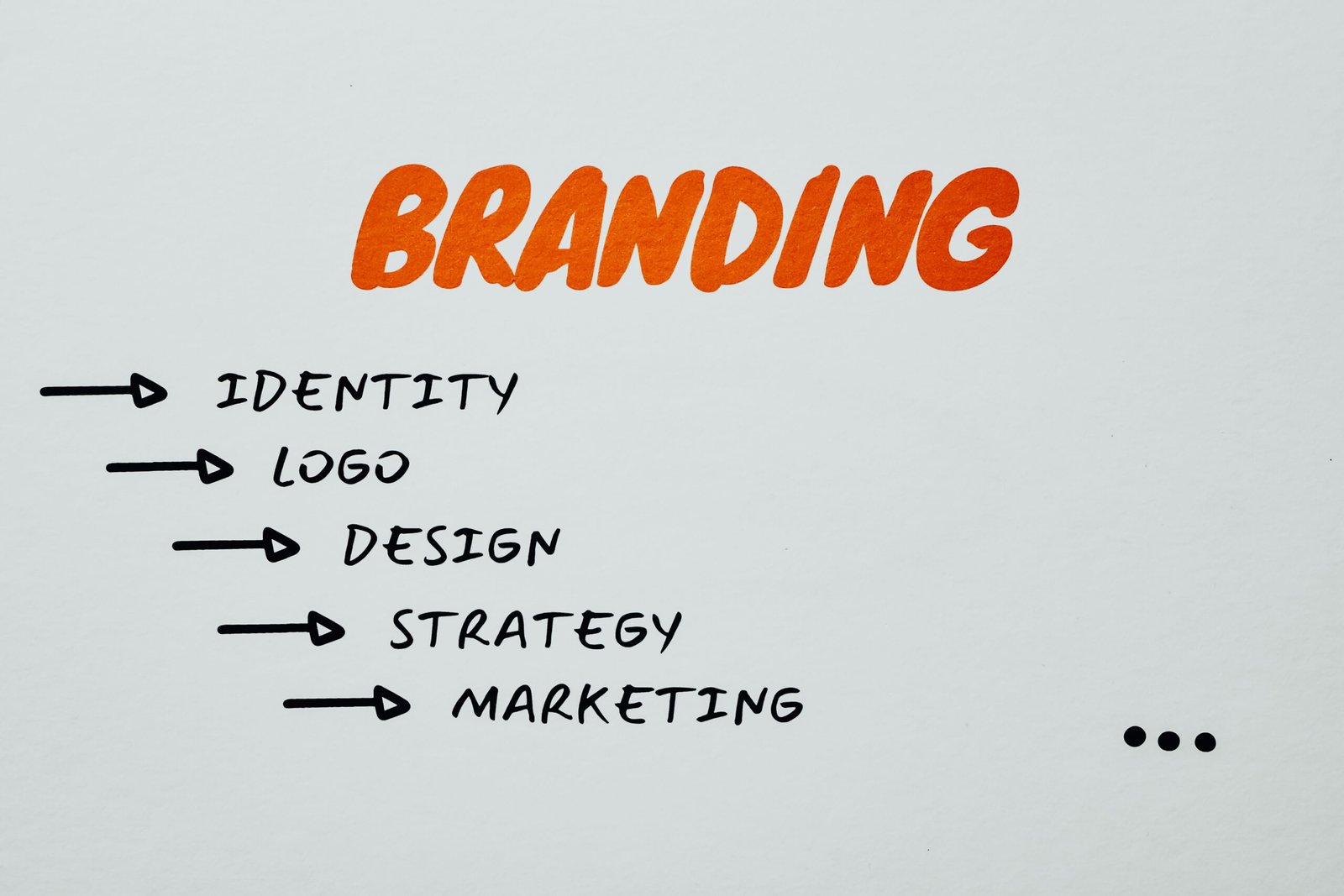
A logo is not a brand.
Yet when many small businesses start thinking about branding, the first thing they look for is a logo designer.
A logo is certainly part of your visual identity, but branding goes much further.
Your brand influences how people perceive your business across:
If everything looks different from one place to another, customers may struggle to remember or recognize the business.
A good branding strategy creates consistency.
But more importantly, it should help communicate who your business is, what you offer and why customers should choose you.
Branding can include several different components.
Depending on your business, a branding project may involve:
Not every business needs everything.
A small service company may primarily need a strong visual identity and brand guidelines.
A growing company preparing for expansion may need a more comprehensive brand strategy.
Small businesses often compete with companies that have larger marketing budgets.
You may not be able to outspend them.
But you can make your business easier to recognize and remember.
Strong branding can help create:
Customers begin to associate particular visual elements with your company.
Your website, social media and marketing materials look like they belong to the same business.
A coherent identity can make the company appear more established.
Good branding helps communicate how your business is different from competitors.
Consistency across customer touchpoints can create a more credible overall experience.
Branding won’t compensate for a poor product or service, but it can improve how your business is presented.
This distinction is important.
A logo is a visual mark representing your company.
Brand identity is the broader visual system surrounding the logo.
It can include:
For example, if you only receive a logo file from a designer but don’t know which colours, fonts or layouts to use, your branding isn’t fully defined.
A proper identity system gives your team a framework for presenting the business consistently.
Don’t choose an agency solely because you like one logo in its portfolio.
Look at the thinking behind the work.
Ask to see branding projects similar to your business.
Look for:
You want to see whether the agency can solve different branding problems—not whether it can reproduce one visual style.
A branding project shouldn’t begin with:
“What colour do you want?”
The agency should want to understand:
Without this context, design becomes subjective.
You may receive something visually attractive that doesn’t actually represent your business.
Good branding starts with positioning.
Ask:
Who are we trying to reach?
What do we want them to think about us?
Why should they choose us?
How are we different?
The visual identity should communicate those decisions.
This is particularly important when a small business is entering a competitive market.
Your brand will probably appear in many digital environments.
For example:
A logo that looks great on a large billboard may not work well as a small social media profile image.
Your branding agency should understand how the identity behaves across different digital formats.
A common problem is investing in branding but not carrying it through to the website.
Imagine a company has:
but its website uses a completely different visual style.
The customer experiences two different versions of the company.
That is why branding and website development should often be considered together.
Your website should translate the brand into an actual customer experience.
Branding isn’t separate from marketing.
It influences how your advertisements, social media and content look.
For example, a consistent visual system can make it easier to recognize your company’s:
This becomes increasingly important as the business adds marketing channels.
A strong identity provides a framework that your marketing team can work within.
A rebrand can make sense when:
But don’t rebrand simply because you are bored with your logo.
A change should have a business reason behind it.
These are not necessarily the same thing.
A refresh might involve:
The fundamental identity remains recognizable.
A rebrand can involve much larger changes:
A rebrand should be approached carefully because it can affect how existing customers recognize the business.
Branding costs vary considerably.
The scope might include only:
Logo → Basic brand identity
or:
Strategy → Logo → Visual identity → Guidelines → Marketing assets → Website
Factors affecting the cost include:
When comparing quotes, compare the deliverables, not just the price.
Before hiring an agency, ask:
These questions help you understand what you’re actually buying.
The question shouldn’t simply be:
“Do I like this logo?”
Ask whether it communicates the right message to your target customer.
Your brand should differentiate rather than blend into the same visual category.
A logo cannot carry the entire brand.
A clear visual system is usually easier to maintain.
Consistency is important for recognition.
Your website is often one of the most important places where customers experience your brand.
Without basic rules, different designers may create inconsistent materials.
A practical package might include:
Depending on the project:
The exact requirements depend on your business.
Startups often need to move quickly.
That doesn’t mean branding should be ignored.
At the beginning, you may only need a focused identity system that establishes:
As the company grows, the brand system can become more comprehensive.
The important thing is to create enough consistency from the beginning that your marketing doesn’t look improvised.
Branding also affects how your company appears in media coverage.
If your business receives an article, interview or digital PR placement, the audience may subsequently search for your company.
A professional brand and website help ensure that the experience after the media mention matches the credibility created by the coverage.
This is one reason digital PR and branding can work together as part of a wider digital strategy.
Social media is another major brand touchpoint.
Your:
all contribute to the perception of the business.
A consistent visual identity makes it easier for people to recognize your content while scrolling.
Branding should therefore be created with social media applications in mind.
At Dotflix, branding and creative design are approached with the wider digital presence in mind.
Depending on the business, our work can include:
We don’t view branding as an isolated logo exercise.
The identity should work across your website, marketing campaigns, social media and other digital touchpoints.
Explore our Branding & Creative Design services or see our case studies.
If your business needs a stronger identity—or your current branding no longer represents where the company is going—contact Dotflix to discuss the project.
A branding agency helps businesses define and communicate their identity through strategy, positioning, logo design, visual identity, messaging and brand guidelines.
Yes. A clear and consistent brand can help a small business become more recognizable, communicate its positioning and present itself professionally across different customer touchpoints.
Logo design is usually one part of branding. A complete brand identity can also include colours, typography, imagery, graphic elements and usage guidelines.
The cost depends on the scope. A basic logo project costs less than a complete branding project involving strategy, visual identity, guidelines and digital applications.
A rebrand may make sense if your positioning, target audience or business has changed significantly, or if your existing identity no longer represents the company effectively.
Ideally, the website should have a clear brand direction before final visual design. However, branding and website development can also be planned as part of the same project.
The timeline depends on research, strategy, concepts, revisions and the number of deliverables required.
Yes. Some agencies provide both branding and website design/development, which can help maintain consistency between the visual identity and digital experience.
Your Brand Is More Than Your Logo.
Build an identity that looks consistent, communicates clearly and works across your website and digital marketing.